Abstract Texture Patterns: A Versatile Design Tool
Abstract texture patterns bring a unique visual flair to any design project. These patterns are more than just decorative elements—they serve as functional tools that can enhance the aesthetics of digital and physical media alike. Whether you're designing a website, creating marketing materials, or working on a personal art project, abstract texture patterns offer a wide range of creative possibilities.
Understanding Abstract Texture Patterns
At their core, abstract texture patterns are non-representational designs that focus on form, line, shape, and texture rather than depicting recognizable objects. They often feature irregular shapes, contrasting lines, and layered effects that create depth and interest. Unlike traditional textures that mimic real-world surfaces like wood or stone, abstract textures are stylized and can be manipulated in countless ways.
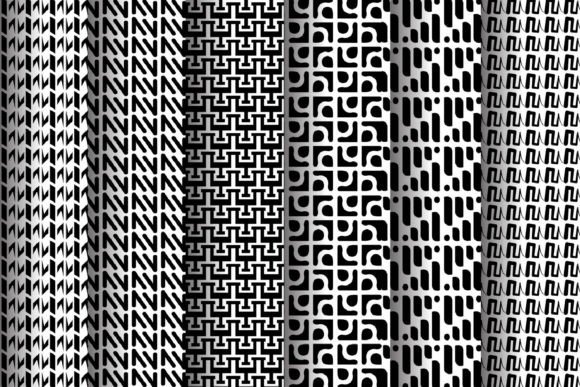
One of the most popular variations is the abstract black and white textured background pattern. These patterns use high-contrast elements to create striking visual effects. Their simplicity allows them to blend seamlessly with other design elements while still making a bold statement.
Why Choose Abstract Texture Patterns?
There are several reasons why abstract texture patterns have become a favorite among designers and creators:
- Versatility: They can be used in both digital and print formats, from websites to packaging.
- Creativity: The lack of literal representation allows for greater artistic freedom.
- Professionalism: When used correctly, they add a touch of sophistication to any design.
For beginners, abstract textures are an excellent starting point because they are relatively easy to understand and apply. They also provide a foundation for experimenting with color, contrast, and composition without the complexity of realistic imagery.
Applications of Abstract Texture Patterns
The uses of abstract texture patterns are nearly endless. Here are some common applications across different fields:
- Digital Design: Websites, mobile apps, and social media graphics often use abstract textures to create visually appealing backgrounds or overlays.
- Print Media: Brochures, business cards, and posters can benefit from the subtle or dramatic effect of abstract textures.
- Interior Design: Textured wallpapers and fabric patterns can incorporate abstract designs to add character to a space.
- Art and Illustration: Artists use abstract textures to add depth and dimension to paintings, illustrations, and mixed-media works.
When it comes to abstract black and white textured background patterns, their neutral tones make them especially useful for highlighting text or images without distracting from the main content. They are ideal for minimalist designs where subtlety is key.
Getting Started with Abstract Texture Patterns
If you're new to using abstract textures, here are a few tips to help you get started:
- Start simple: Begin with basic shapes and gradually experiment with more complex designs.
- Experiment with contrast: High-contrast black and white textures can be particularly effective in drawing attention to specific areas of your design.
- Use quality files: Ensure you have access to high-resolution files such as JPG (300 ppi), AI, and EPS 10 vector formats. These formats allow for scalability and precision in both print and digital contexts.
Having access to 6 high-resolution JPG files at 300 ppi density, along with 6 AI vector files for Adobe Illustrator and 6 EPS 10 vector files, gives you the flexibility to use these patterns in a variety of projects. These files are perfect for professionals who need consistent quality across different platforms and output types.
Considerations Before Using Abstract Texture Patterns
While abstract texture patterns are versatile, there are a few things to keep in mind before incorporating them into your design:
- Balance is key: Too much texture can overwhelm a design. Use it sparingly or pair it with simpler elements to maintain visual harmony.
- Know your audience: Some audiences may prefer minimalistic designs, while others appreciate bold and intricate textures. Consider the context and purpose of your project.
- Test different combinations: Experiment with various colors, scales, and placements to see what works best for your specific needs.
By considering these factors, you can ensure that your use of abstract texture patterns enhances rather than detracts from your overall design.
Real-World Examples and Use Cases
Let’s take a look at how abstract texture patterns can be applied in practical scenarios:
- Website Backgrounds: A black and white textured background pattern can provide a clean yet interesting backdrop for a portfolio or blog site.
- Product Packaging: Incorporating abstract textures into packaging design can make products stand out on store shelves.
- Photography: Abstract textures can be used as overlays in photo editing to add a unique aesthetic to images.
- Business Cards: A subtle texture can elevate the look of a business card, making it more memorable and professional.
These examples demonstrate the wide-ranging appeal of abstract texture patterns and how they can be tailored to suit different needs and preferences.
Whether you're a beginner exploring new design techniques or a professional looking for fresh inspiration, abstract texture patterns offer a valuable tool for enhancing your creative work. With the right resources, including high-quality JPG, AI, and EPS files, you can unlock a world of design possibilities and bring your vision to life with confidence and style.