Painted Wood Seamless Patterns: A Versatile Design Resource
Painted Wood Seamless Patterns refer to digital images that feature intricate designs inspired by painted wood textures. These patterns are crafted to repeat seamlessly, making them ideal for use in a variety of design applications. Whether you're working on graphic design projects, web development, or print media, these patterns can add depth and visual interest to your work.
Understanding the Appeal of Painted Wood Seamless Patterns
Designers and creators often turn to painted wood seamless patterns because of their unique aesthetic. The combination of natural wood grain with artistic painted elements offers a distinctive look that can complement both modern and traditional themes. This versatility makes them a popular choice among professionals and hobbyists alike.
One of the key reasons someone might be interested in using painted wood seamless patterns is their ability to enhance the visual appeal of a project without overwhelming it. The subtle texture of wood combined with vibrant colors can create a balanced look that draws attention without being too busy.
Key Benefits and Considerations
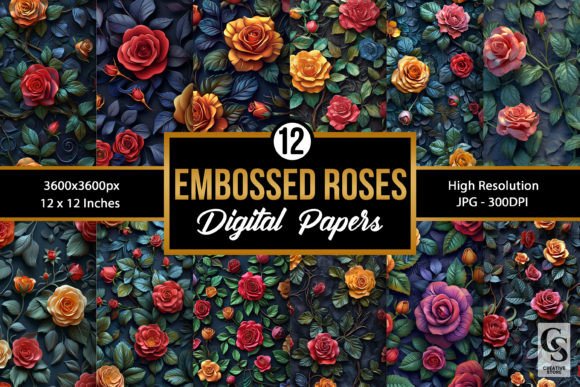
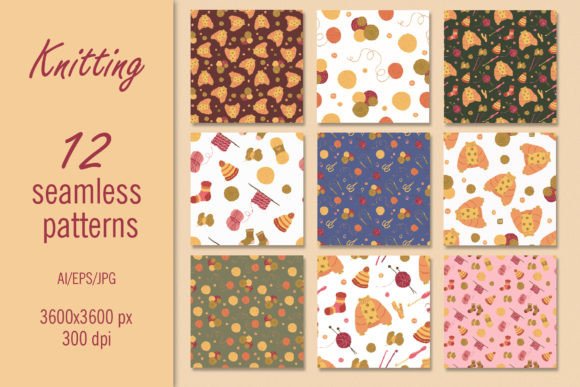
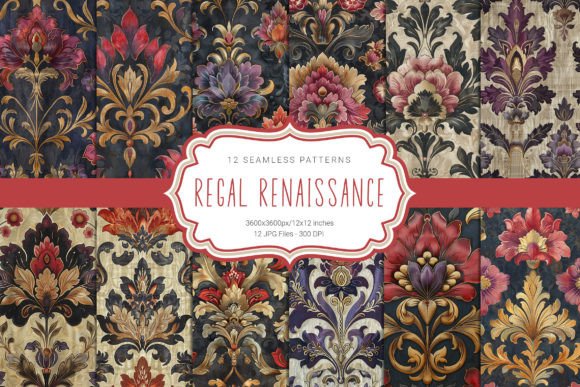
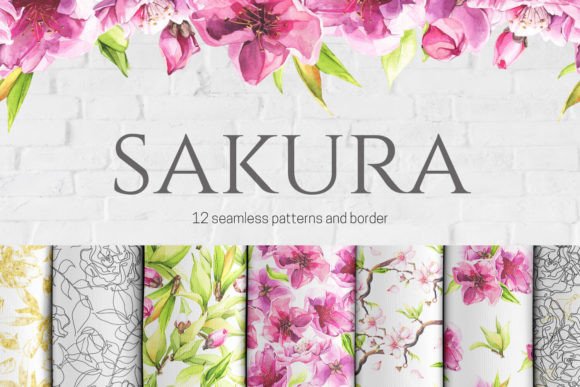
The primary benefit of using painted wood seamless patterns lies in their high resolution and quality. With dimensions of 12” x 12” (3600x3600 px) and a resolution of 300 DPI, these patterns ensure clarity and detail, which is essential for professional-grade outputs. This makes them suitable for use in posters, backgrounds, wall art, and even corporate applications such as branding materials and product packaging.
Another advantage is the versatility of these patterns. They can be used as standalone elements or integrated into more complex designs. Their colorful designs offer an explosion of vibrancy that can elevate the overall look of any project. However, it's important to consider how these patterns will interact with other design elements to avoid clashing or overcomplicating the final output.
While the benefits are clear, there are also tradeoffs to consider. For instance, the use of painted wood patterns may not be appropriate for all design contexts. In some cases, a simpler or more minimalistic approach might be more effective. Additionally, the complexity of the patterns could require more careful planning when integrating them into larger compositions.
Situations Where Painted Wood Seamless Patterns Are a Strong Fit
Painted wood seamless patterns are particularly well-suited for projects that aim to convey warmth, creativity, or a connection to nature. They are an excellent choice for interior design projects, where they can be used as wall art or background elements. Similarly, they work well in branding materials that seek to evoke a sense of craftsmanship or artisanal quality.
In the realm of digital design, these patterns can serve as backgrounds for websites or mobile apps, especially those targeting audiences who appreciate organic, handcrafted aesthetics. Their high resolution ensures that they remain crisp and clear across different screen sizes and resolutions.
When Alternatives Might Be Worth Considering
While painted wood seamless patterns have many strengths, there are scenarios where alternative design choices might be more appropriate. For example, if a project requires a very clean or minimalist look, the intricate details of painted wood patterns could be distracting. In such cases, simpler textures or solid colors might be a better fit.
Additionally, if the primary goal is to emphasize technology or a futuristic theme, the natural wood aesthetic might not align with the intended message. It’s crucial to evaluate the overall design direction and ensure that the chosen pattern supports rather than detracts from the intended visual narrative.
Practical Insights for Decision-Making
When deciding whether to incorporate painted wood seamless patterns into a project, it's important to consider the context and purpose of the design. Ask yourself: Does this pattern support the overall message or theme? Will it complement other design elements, or does it risk overpowering them?
It’s also worth evaluating the technical requirements of the project. High-resolution patterns are ideal for print and professional presentations, but for web-based applications, ensuring compatibility with different devices and screen sizes is essential. Testing the patterns in various contexts can help identify potential issues before finalizing the design.
Finally, think about the audience. If the target demographic appreciates organic, handmade aesthetics, then painted wood seamless patterns could be an excellent choice. However, if the audience prefers a more modern or industrial look, alternatives might be more suitable.
Ultimately, the decision to use painted wood seamless patterns should be based on a thorough evaluation of the project’s goals, the intended audience, and the overall design strategy. By carefully considering these factors, designers can make informed choices that enhance their creative work while meeting the needs of their audience.