Turquoise and Apricot Floral Patterns: A Versatile Design Element for Creative Projects
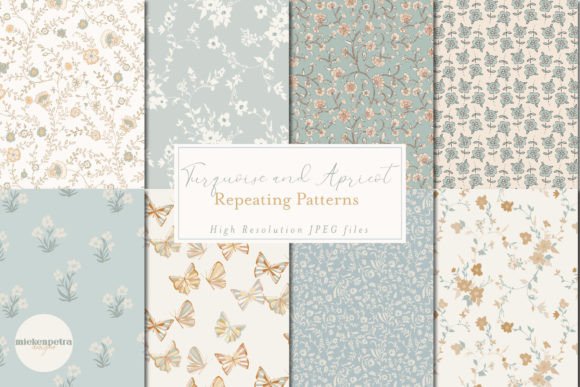
Turquoise and apricot floral patterns offer a unique blend of color and design that can elevate a wide range of creative projects. These patterns are characterized by their vibrant yet harmonious color palette, combining the cool, calming tones of turquoise with the warm, inviting hues of apricot. This combination creates a visually appealing contrast that works well in both modern and traditional settings. Whether you're designing scrapbook pages, digital paper, home decor items, or printed fabric, these patterns provide a versatile foundation that can be adapted to suit various needs.
Understanding Turquoise and Apricot Floral Patterns
Turquoise and apricot floral patterns are typically created using hand-painted techniques that capture the natural beauty of flowers and foliage. The use of these two colors allows for a dynamic interplay between cool and warm tones, which can influence the overall mood and aesthetic of any project. Turquoise, with its association with water and sky, brings a sense of tranquility, while apricot adds warmth and vibrancy, making the pattern feel inviting and lively.
These patterns are often designed as repeat tiles, which means they can be seamlessly tiled across large surfaces without visible seams. This makes them ideal for digital paper, wallpaper, and fabric designs where continuity is essential. The resolution of 300 DPI ensures that the patterns remain crisp and clear even when printed at larger sizes, making them suitable for both digital and physical applications.
Comparing Turquoise and Apricot Floral Patterns with Other Design Options
When considering design options, it's important to compare different patterns based on their visual appeal, versatility, and suitability for specific projects. Turquoise and apricot floral patterns stand out due to their ability to create a balanced and eye-catching design. However, there are other patterns that may be more appropriate depending on the context.
For example, monochromatic patterns offer a more subdued look and are often used in minimalist or modern interiors. Geometric patterns, on the other hand, provide a structured and contemporary feel that can be more suitable for certain types of graphic design. While these alternatives have their own strengths, turquoise and apricot floral patterns offer a more organic and natural appearance that can be particularly effective in creating a cozy or elegant atmosphere.
Another consideration is the level of detail in the pattern. Some floral patterns feature intricate designs with numerous elements, while others are more simplified. Turquoise and apricot floral patterns tend to strike a balance between detail and simplicity, making them adaptable to a variety of uses without overwhelming the viewer.
Strengths and Tradeoffs of Turquoise and Apricot Floral Patterns
The primary strength of turquoise and apricot floral patterns lies in their ability to create a visually appealing and cohesive design. The combination of cool and warm tones allows for a wide range of applications, from subtle accents to bold statements. Additionally, the hand-painted quality of these patterns adds a sense of authenticity and uniqueness that can be difficult to achieve with digitally generated designs.
However, there are also some tradeoffs to consider. For instance, these patterns may not be suitable for all types of projects. If a design requires a more neutral or subdued look, turquoise and apricot floral patterns might be too vibrant. Similarly, if a project calls for a very modern or industrial aesthetic, these patterns may not align with the desired style.
Another factor to consider is the file format and resolution. While the 300 DPI resolution ensures high-quality prints, it also means that the files can be larger in size, which may affect performance in some digital applications. It's important to ensure that the system or software being used can handle these file sizes effectively.
Best-Fit Situations for Turquoise and Apricot Floral Patterns
Turquoise and apricot floral patterns are particularly well-suited for projects that benefit from a warm yet calming aesthetic. This includes scrapbooking, where the goal is often to create a personal and meaningful layout. The softness of the apricot tones complements the tranquility of the turquoise, making it an excellent choice for memory books or photo albums.
In the realm of digital paper, these patterns can be used to create backgrounds for invitations, cards, or social media graphics. Their versatility allows them to be paired with a variety of text and images, making them a valuable asset for designers looking to add visual interest without overwhelming the content.
For home decor, turquoise and apricot floral patterns can be used in a variety of ways, such as wall murals, throw pillows, or decorative cushions. These patterns can help transform a space into a more welcoming and stylish environment. When used in moderation, they can add a touch of elegance without overpowering the room.
Printed fabric applications also benefit from these patterns. From curtains to tablecloths, the soft and flowing nature of the design can enhance the overall ambiance of a space. The durability of the fabric and the clarity of the print will depend on the quality of the material used, so it's important to choose high-quality fabrics for best results.
When to Consider Alternative Options
While turquoise and apricot floral patterns are highly versatile, there are situations where alternative options may be more appropriate. For example, if a project requires a more formal or professional look, a simpler or more structured pattern may be preferable. In such cases, geometric or abstract patterns could provide a more refined appearance.
Additionally, if the intended use involves a very small area, such as a button or icon, the complexity of a floral pattern may not be necessary. In these instances, a simpler design with fewer details may be more effective and easier to work with.
It's also worth considering the target audience when choosing a pattern. If the project is aimed at a younger demographic, more contemporary or trendy patterns may be more appropriate. Conversely, if the audience prefers a classic or traditional look, other floral patterns with a more vintage feel may be a better fit.
Ultimately, the decision to use turquoise and apricot floral patterns should be based on the specific needs and goals of the project. By carefully evaluating the strengths and limitations of this pattern, designers and creators can make an informed choice that best suits their requirements.