Art Nouveau Thistle Patterns: A Timeless Fusion of Nature and Design
The Evolution of Art Nouveau in Floral Motifs
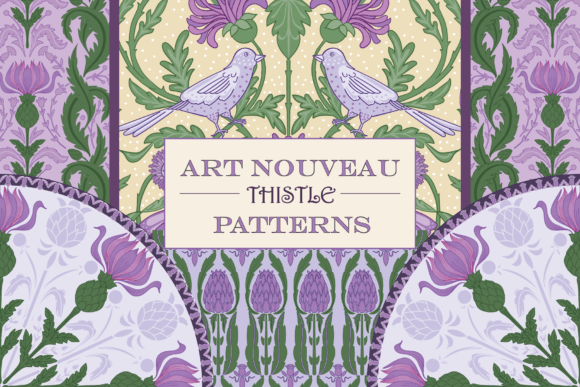
The Art Nouveau movement, which flourished between the 1890s and 1910s, was characterized by its emphasis on organic forms, flowing lines, and intricate detailing. Among the many motifs that captured the essence of this artistic period, thistle patterns stood out for their elegant complexity and natural beauty. These designs often featured stylized thistle plants, with curling leaves and delicate flowers that mirrored the ornate aesthetics of the era.
Art Nouveau Thistle Patterns were not merely decorative; they symbolized a deeper connection to nature and craftsmanship. Artists and designers of the time sought to break away from the rigid geometries of previous styles, embracing the fluidity and asymmetry found in the natural world. This shift is evident in the way thistle patterns were rendered—each line seemed to flow into the next, creating an almost living composition.
William Morris, a key figure in the Arts and Crafts movement, also influenced these designs. His emphasis on handcrafted details and natural motifs resonated with the principles of Art Nouveau, leading to a synthesis of both styles. As a result, thistle patterns became more than just an aesthetic choice—they represented a philosophy of artistry and authenticity.
Characteristics of Art Nouveau Thistle Patterns
Art Nouveau Thistle Patterns are distinguished by several defining characteristics. First and foremost is their use of curvilinear forms. Unlike the sharp angles of earlier design movements, these patterns feature sweeping curves that mimic the natural growth of plants. This fluidity gives the designs a sense of motion and life.
Another hallmark of these patterns is their intricate detailing. Each element—whether it's a leaf, petal, or stem—is carefully crafted to create a cohesive whole. The level of detail is often so high that the patterns can be used as standalone artworks or integrated into larger compositions without losing their individuality.
The color palette of Art Nouveau Thistle Patterns is another important aspect. While some designs may use muted earth tones to reflect the natural world, others incorporate vibrant hues to add visual interest. This versatility allows the patterns to be adapted to various applications, from interior design to textile production.
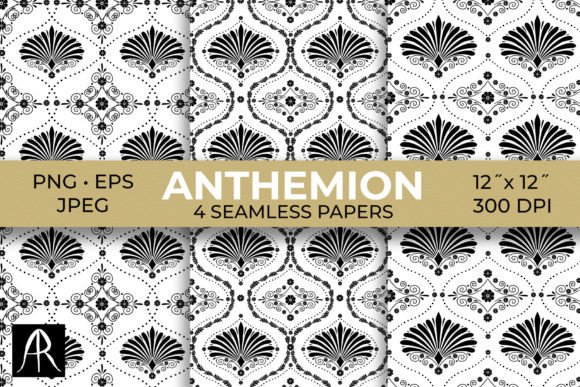
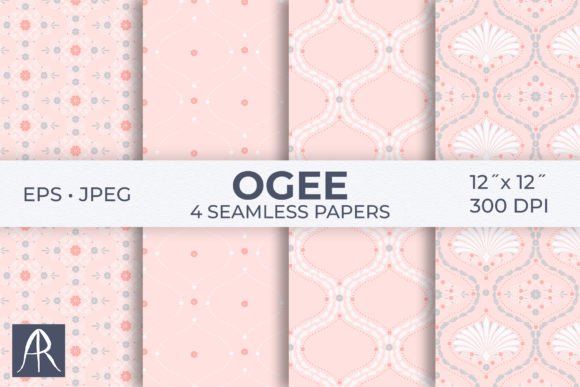
Seamless tiling is a practical feature of many modern interpretations of these patterns. By including seamless tiles, artists and designers can ensure that the patterns can be used continuously across surfaces without visible repetition. This makes them ideal for projects such as wallpaper, fabric printing, and digital backgrounds.
Applications of Art Nouveau Thistle Patterns in Modern Design
In today’s design landscape, Art Nouveau Thistle Patterns continue to inspire a wide range of creative fields. One of the most common applications is in interior design. These patterns can be used to create a unique ambiance in spaces such as living rooms, bedrooms, and offices. Whether printed on curtains, upholstery, or wall coverings, they bring a touch of historical elegance to contemporary settings.
Textile design is another area where these patterns have found a home. From fashion to home decor, thistle-inspired prints add a sense of sophistication and artistry. Designers often use these patterns to craft garments that stand out while maintaining a connection to traditional craftsmanship.
Digital media has also embraced Art Nouveau Thistle Patterns. In web design, graphic design, and digital illustration, these motifs can enhance the visual appeal of websites, logos, and marketing materials. Their intricate details make them particularly effective in print-on-demand products, where high-quality visuals are essential.
Educators and researchers have also taken an interest in these patterns. They serve as valuable case studies in the history of design, offering insights into the evolution of artistic styles and the influence of cultural movements. Museums and galleries often feature exhibitions that highlight the enduring legacy of Art Nouveau through these intricate designs.
Creating Your Own Art Nouveau Thistle Patterns
For those interested in creating their own Art Nouveau Thistle Patterns, there are several approaches to consider. Traditional methods involve using hand-drawn techniques, such as pen and ink or watercolor, to capture the organic feel of the style. This process requires patience and attention to detail, as each stroke must contribute to the overall composition.
Modern digital tools have made it easier than ever to produce these patterns. Software such as Adobe Illustrator or Procreate allows artists to experiment with different elements and refine their designs with precision. Digital brushes and templates can help recreate the flowing lines and intricate details characteristic of Art Nouveau.
When designing your own thistle patterns, it's important to study the works of renowned artists from the period. Analyzing their compositions can provide inspiration and guidance on how to achieve the right balance between form and function. Additionally, practicing sketching and experimenting with color combinations can help develop a personal style that reflects the spirit of Art Nouveau.
Collaboration with other artists and designers can also be beneficial. Sharing ideas and techniques can lead to new interpretations of the style and expand the possibilities for creative expression. Whether working alone or in a group, the process of creating Art Nouveau Thistle Patterns offers a rewarding journey into the world of design.
The Enduring Appeal of Art Nouveau Thistle Patterns
Despite being over a century old, Art Nouveau Thistle Patterns remain relevant and influential in the design world. Their ability to blend natural elements with artistic expression continues to captivate audiences across different generations. Whether used in traditional or modern contexts, these patterns offer a timeless quality that transcends trends.
The resurgence of interest in handmade and artisanal goods has also contributed to the popularity of these patterns. Consumers are increasingly seeking products that reflect a deeper connection to craftsmanship and history. This demand has led to a renewed appreciation for Art Nouveau-inspired designs in both commercial and personal projects.
As we continue to explore the intersection of art and design, Art Nouveau Thistle Patterns remind us of the importance of creativity, innovation, and the enduring power of nature. They serve as a testament to the artistic achievements of the past while inspiring new possibilities for the future.